Der Ernährungstrend Superfood ist in aller Munde: Quinoa, Chia-Samen, Goji-Beeren und Spirulina sollen mit ihrem hohen Gehalt an bestimmten Vitaminen, Mineralstoffen oder Fettsäuren kleine Wunder für unsere Schönheit und Gesundheit bewirken.
Superfoods, mit anderen Zutaten im Mixer zu einem Smoothie püriert, ergeben eine köstliche, energetisierende und abwechslungsreiche Mahlzeit. Doch was sind Superfoods eigentlich und warum spielen sie eine wichtige Rolle in unserer Ernährung?
Superfood ist ein Überbegriff für Lebensmittel mit einem vielfältigen Nährstoffprofil. Somit sind sie zusammen mit unseren Proteinen und Vitaminen eine ideale Ergänzung für Deine Ernährung.
Was viele nicht wissen: Zum teuren und weit gereisten Superfood gibt es Schweizer Alternativen. Schweizer Superfoods bereichern jeden Menüplan und können importierte Chia-Samen oder Goji-Beeren ersetzen.
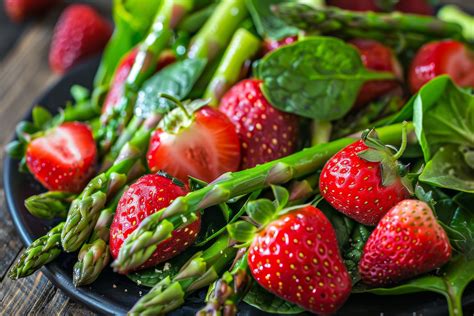
Schweizer Superfoods sind eine ausgezeichnete Alternative zu importierten Produkten.
Warum Superfoods in Smoothies?
Superfoods mit Gemüse und Früchten im Mixer zu einem Smoothie püriert ergeben eine köstliche vitalstoffreiche Mahlzeit. Wie können sie helfen, unsere Gesundheit und unser Wohlbefinden zu stärken?
Sie dienen der Nährstoffversorgung der Zellen, dem Entgiften bestimmter Organe, der Verbesserung der Konzentrationsfähigkeit und der Steigerung der Libido. Der Autor spannt dabei den Bogen von den Prinzipien einer lebendigen Ernährung bis hin zu einem ganzheitlichen Verständnis von eigenverantwortlicher Gesundheit.
Superfoods können unser Leben bereichern, wenn wir lernen, sie gezielt, kreativ und maßvoll in unsere tägliche Ernährung zu integrieren. Das Buch von Milan Hartmann zeigt, wie das geht und wie jeder es schaffen kann, seine Gesundheit und sein Wohlbefinden zu steigern.
Der Autor stellt Rezepte vor, die sich besonders als Frühstück, als Mittag- oder Abendessen eignen; befasst sich damit, wie die Smoothies helfen, die tageszeitabhängige Müdigkeit zu überwinden, wobei er auf das Wissen der Traditionellen Chinesischen Medizin zurückgreift, und gibt viele Informationen über Smoothie-Zutaten, z. B. über alternative Süßungsmittel sowie antiviral und antifungal wirkende Kräuter.
Schweizer Superfoods: Eine Übersicht
Besonders gesund und genussvoll ist die Kombination von Beeren, Kohl und Co. mit Schweizer Milch und Milchprodukten. Frisch zubereitet, entstehen so feine, ausgewogene und regionale Gerichte.
Hier sind einige Beispiele für Schweizer Superfoods:
- Beeren: Zum Beispiel Heidelbeeren, Himbeeren, Erdbeeren, Brombeeren
- Gemüse: Zum Beispiel Randen (Rote Bete), Broccoli, Spinat, Grünkohl
- Getreide: Zum Beispiel Hafer, Dinkel, Quinoa
- Samen, Kerne und Nüsse: Zum Beispiel Leinsamen, Chiasamen, Baumnüsse (Walnüsse)
- Kräuter: Zum Beispiel Petersilie, Schnittlauch, Basilikum
Milch ist ein echter Superfood: In ihr steckt gleich eine ganze Palette an wertvollen Inhaltsstoffen im richtigen Mischverhältnis. 2-3 Portionen Milch und Milchprodukte am Tag sind ideal. Besonders das Kalzium und Eiweiss in der Milch unterstützen unsere Zahn- und Knochengesundheit und helfen uns wirksam bei der Gewichtskontrolle.
Superfoods richtig lagern
Bio Superfoods sollten kühl, trocken und lichtgeschützt gelagert werden, um ihre Nährstoffe und Qualität zu erhalten. Am besten bewahrt man sie in luftdicht verschlossenen Behältern auf, um sie vor Feuchtigkeit und Luft zu schützen. Lichtempfindliche Produkte wie Pulver (z. B. Matcha oder Spirulina) sollten in dunklen Schränken oder lichtundurchlässigen Verpackungen aufbewahrt werden.
Bio Superfoods sind eine tolle Ergänzung für die alltägliche Ernährung.
Superfoods in verschiedenen Formen
Ob in Pulver-, Kapsel- oder natürlicher Form - bei uns findest Du eine breite Auswahl an Superfoods, die sich ideal in Deinen Alltag integrieren lassen.
- Tablettenform: Wenn es mal schnell gehen muss, sind Superfoods in Tablettenform eine praktische Lösung. Einfach einzunehmen und ideal, wenn Du keine Zeit für aufwendige Zubereitungen hast.
- Pulverform: Superfoods in Pulverform bieten Dir maximale Flexibilität in ihrer Zubereitung. Egal, ob Du Deinem Smoothie Farbe verleihen möchtest oder Dein Frühstück mit Superfoods startest - die Einsatzmöglichkeiten sind grenzenlos.
- Beeren und Samen: Beeren und Samen sind absolute Klassiker unter den Superfoods. Sie lassen sich vielseitig einsetzen und passen ideal in Deinen Alltag.
Einige Superfood-Pulver im Detail
- X44 Superfood Powder: Eine sorgfältig abgestimmte Mischung aus 44 Inhaltsstoffen aus Nähr- und Wirkstoffen bietet.
- Bio Weizengras Pulver und Bio Gerstengras Pulver: Die sich ideal als Zutat für grüne Smoothies eignen.
- Bio Acerola Pulver oder das Bio Baobab Pulver: Eine gute Wahl, um Deine Mahlzeiten auf eine neue Superfoodebene zu heben, wenn Du es gerne fruchtig magst.
Superfood-Samen
- Bio Goji Beeren: Ein säuerlich-fruchtiges Geschmackserlebnis und ideal als Topping für Dein Müsli oder als Snack zwischendurch.
- Bio Chia Samen: Mit den Bio Chia Samen kannst Du zum Beispiel Pudding oder leckere Frühstücksrezepte zaubern.
- Bio Flohsamenschalen 99 % Reinheit: Eine beliebte Zutat, die einfach anzuwenden ist.
Lust bekommen, die Vielfalt in Deiner Ernährung mit unseren Superfoods zu ergänzen? Dann stöber drauf los und entdecke die Bandbreite an Superfoods, die wir Dir bieten! Egal, ob Du gezielt nach einem Produkt suchst oder einfach inspirieren lassen möchtest - bei uns findest Du genau das, was zu Dir passt.
Die vielseitige Welt der Flohsamenschalen
Flohsamenschalen sind die Schalen der Flohsamen, einer Pflanzenart aus der Gattung der Wegeriche. Sie sind bekannt für ihre hohe Quellfähigkeit und werden oft als Ballaststoffquelle verwendet. Unsere Flohsamenschalen liefern 90 g Ballaststoffe pro 100 g.
Flohsamen enthalten sowohl die Schalen als auch den Kern, während Flohsamenschalen nur aus der äußeren Hülle bestehen. Die Schalen besitzen eine höhere Quellfähigkeit und werden daher häufig bevorzugt.
Für Erwachsene werden üblicherweise 1-2 Teelöffel Flohsamenschalen pro Tag empfohlen, die mit ausreichend Wasser eingenommen werden sollten. In seltenen Fällen können Flohsamen und Flohsamenschalen zu Blähungen oder einem Völlegefühl führen, insbesondere wenn nicht genug Flüssigkeit konsumiert wird.
Weitere Superfood-Zutaten und ihre Verwendung
- Hagebuttenpulver: Wird traditionell wegen seiner Anwendungsmöglichkeiten geschätzt. Es kann vielfältig in der Küche eingesetzt werden, von Smoothies bis zu Desserts.
- Maca Pulver: Gilt als wahres Multitalent und wird besonders häufig in Smoothies und Bowls verwendet.
- Ashwagandha Pulver: Die empfohlene Dosierung liegt bei etwa einem Teelöffel (3 g) pro Tag. Das Pulver sollte mit mind. 250 ml Wasser eingenommen werden. Die tägliche Verzehrempfehlung sollte nicht überschritten werden.
- Leinsamen: Können sowohl ganz als auch geschrotet verzehrt werden. Geschrotete Leinsamen werden oft bevorzugt, da sie leichter verdaulich sind. Ganze Leinsamen eignen sich besonders gut als knusprige Zutat in Müslis oder Backwaren.
- Chiasamen: Für Chiasamen liegt die empfohlene Tagesmenge bei etwa einem bis zwei Esslöffeln.
- Weizengras und Gerstengras: Sind eine Ballaststoffquelle und können sowohl in Pulverform als auch frisch in Smoothies, Säfte oder Salate integriert werden.
Leinsamenöl kannst Du wunderbar im Salat verwenden, während Leinsamen mehr Biss haben und zusätzlich Ballaststoffe enthalten.
Superfood Smoothies: Ein Rezeptbeispiel
Der Green Smoothie von Purasana enthält drei hochwirksame Superfoods: Chlorella, Spirulina und Weizengras. Sie haben nicht weniger als drei verschiedene Superfoods in einem Smoothie.
Superfoods haben eine entgiftende Wirkung. Der Green Smoothie enthält eine Kombination aus Chlorella, Spirulina und Weizengras.
Die Nährstoffe in den Superfood-Smoothies von Purasana wurden sorgfältig ausgewählt. Die Zutaten sind reine Lebensmittel aus Getreide, Pflanzen, Algen, Samen, Beeren, Obst und Gemüse.
Superfood-Smoothies enthalten eine Kombination aus verschiedenen Superfoods. Mischen Sie 1 Esslöffel des Green Smoothies mit 200 ml eines Pflanzendrinks oder Joghurts.
Diese Frau trink jeden Tag Grüne Smoothies, was mit ihr passiert hat uns umgehauen!
Wie man den perfekten Superfood-Smoothie zubereitet
Looking for a low-prep, nutritious meal or snack? (Who isn’t!) Look no further than the infinitely versatile smoothie. I love smoothies partly because they are easy to tailor to individual preferences.
Smoothies are endlessly customizable, from fruits and veggies to protein add-ins, to health “boosts,” and various ways to incorporate healthy fats. And there is no better way to replenish after a workout or refresh on a hot day than a chilled smoothie.
While smoothies can be packed with essential vitamins, minerals, antioxidants, and other nutrients, not all smoothies are created equal. Pre-made packaged smoothies and those sold at smoothie stores often use fruit juice as a base and contain added sugar. The natural sugar found in fruit is no cause for concern for most people, but added sugar detracts from the healthfulness of a smoothie. Often, the most nutritious smoothie is one you make yourself.
Here are the key steps, components, and tips for building a healthy, balanced, and delicious smoothie!
1. Choose Your Base
There are countless ways to make your unique smoothie, but all start with a base that makes up the bulk of your drink. Most smoothies use fruits, veggies, or some combination of the two as their base. If you’re following a lower-carb diet, vegetable-based smoothies can be made without fruit. Otherwise, fruit adds a natural sweetness and more volume for a satisfying smoothie.
Fresh or Frozen?
Fresh and frozen fruit both work well as a smoothie base. When using fresh fruit, include ice in your blender to chill your drink as it blends. If using frozen fruit, you don’t need to add ice-the defrosting fruit will make for a cold, refreshing smoothie.
Flavorsome Fruits
All fruit provides carbohydrates, fiber, and a variety of vitamins and minerals. Berries are a popular smoothie addition because they pack antioxidants that may help protect your cells from free radical damage, and their tiny seeds add a nice texture to a smoothie.
Bananas and tropical fruit like pineapple, mango, and kiwi are also excellent for smoothies. Watermelon, cantaloupe, and honeydew are also good options for smoothies, but because their water content is high, they give smoothies a thinner consistency. No fruit is off-limits, so choose the combination that appeals most to you!
Load up on Veggies
Vegetables should be part of your smoothie base, too. While veggies are often enjoyed as a part of savory meals and dishes, adding them to a smoothie is a great way to boost nutrients and sneak in a hearty serving for someone who doesn’t eat many vegetables otherwise.
Leafy greens, like kale and spinach, are popular additions to smoothies and are easily disguised once combined with the natural sweetness of the fruit. Other vegetables you may consider adding to your smoothie include beets, celery, cucumber, and carrots. In most cases, veggies change the color of a smoothie without significantly changing the flavor-so you can create some really beautiful smoothies while boosting their nutritional value.
Start with a small portion and slowly add more to reach your preferred flavor and hue when in doubt.
Veggie Powders
Veggie powders can be a great option when you are running low on fresh veggies or prefer not to incorporate them into your smoothie. For example, while beets are packed with nutrients, not everyone is a fan of their flavor. Beet powders are easy to keep on hand and simple to add to your water before a workout or your breakfast smoothie.
A little beet powder in your smoothie ups the fiber and antioxidant content and adds a natural source of nitric oxide that may benefit your circulatory system.
You could also try one of the wide variety of green powders that can be used in place of, or in addition to, veggies in your smoothie. Many of these products pack a nutritious punch with large amounts of dark leafy greens, like kale and wheat grass, alongside other plant-based ingredients, like spirulina.
These dark green leafy vegetables are a great source of vitamin K-a nutrient essential for blood and bone health that is not as abundant in other foods. This is the perfect solution for someone who wants to load their smoothies with nutrients but isn’t a fan of vegetables!
2. Pick a Protein
While smoothies can be an excellent source of essential nutrients, it takes diligence to build a well-rounded drink. While your smoothie base of fruits and vegetables is an excellent source of carbohydrates and other nutrients, like fiber and antioxidants, it provides very little fat and protein. To make a smoothie a balanced meal, it should contain carbs, fat, and protein, along with fruits and veggies. The fruit in your smoothie provides most of the carbohydrates in your drink, so let’s explore ways to add some protein.
Protein and Collagen Powders
Protein powders are a popular, convenient way to add protein to your smoothie. Because they come in a wide variety-like whey, soy, pea, and brown rice proteins-there is indeed a protein powder for everyone. No matter your dietary restrictions, you can find a protein powder on the market to suit your needs.
While protein powders make a great addition to a smoothie, they can easily be enjoyed in a simple glass of water for workout recovery, and you can even cook and bake with them. Keep a container of protein powder on hand at home for an easy addition to many meals and snacks.
As an alternative, collagen powder also provides protein and can be used in addition to, or in place of, protein powder in your smoothie.
Greek Yogurt
Greek yogurt is another great option for adding protein to your smoothie. Greek yogurt contains about double the amount of protein as regular yogurt-around 17 grams compared with 9 grams per serving. Unflavored with zero added sugar is best.
And even if you don’t like the natural bitterness of plain yogurt, it is easily disguised behind all the fruit in your smoothie. Additionally, you can add protein through the liquid you choose, and many of the fats you may include in your smoothie can also contribute protein. More on this later!
3. Fats Are an Essential Nutrient
Fat is an essential nutrient that increases satiety following a meal and helps your body absorb fat-soluble vitamins. Nuts, seeds, and nut butters are excellent additions to a smoothie as they provide a unique flavor along with healthy fats and protein.
Ground flax seeds or flax meal, chia seeds, and hemp seeds, in particular, all provide anti-inflammatory omega-3 fatty acids, a nutrient not commonly found in plant-based foods, and protein.
Like seeds, nuts also provide protein, fiber, and healthy fats. Whole nuts, like walnuts, pecans, and macadamia nuts, blend nicely into a smoothie, but you can also use nut butter to add healthy fats to your drink.
4. Add a Boost
With all the fruits, veggies, protein, and healthy fats, you’ve already created a nutrient-packed drink-but these additions can make your smoothie even more of a nutrient powerhouse:
- Bee pollen: Granules of bee pollen blend easily into a smoothie without affecting its flavor, helping to support your immune system and liver health.
- Cocoa nibs: Antioxidant-rich cocoa nibs lend a light chocolatey flavor to your smoothie while helping combat damage from free radicals.
- Spirulina: This blue-green algae may support healthy cholesterol levels and blood pressure and help manage blood sugar in people with type 2 diabetes. Spirulina is frequently included in green powders, but you can add it separately to your smoothie.
5. Choose Your Liquid
Now that you’ve incorporated all the solid ingredients into your smoothie, it’s time to add your liquid of choice and blend it up! Your liquid serves one main purpose-to emulsify and bring together your dry ingredients. While water can get the job done, there are plenty of other liquids to consider that add additional nutrients and flavor while bringing together your drink.
Milk is one option, and within this category, there are many varieties. Some available types are dairy, nut-based, soy, hemp, rice, and oat milk. Which is best for your smoothie comes down to your personal preference and dietary needs.
Keep an eye on grams of added sugar when choosing your liquid. Some flavored milks and milk substitutes have sugar added to them. It’s always best to rely on the sweetness of the fruit in your smoothie over added sugar. Also, consider including coconut water, green tea, or coffee, depending on the flavor and caffeine level you are going for in your smoothie.
Get Creative
Building your smoothie can be an exercise in creativity and change day-to-day based on your preferences. There are countless variations to try out based on your mood, nutrition needs, and what fruits, veggies, proteins, fats, and liquids you have on hand. You can't go wrong when you have all the necessary components of a balanced smoothie.
Remember these tips when putting together your next smoothie to ensure a balanced, nutrient-packed recipe!
Referenzen:
- Lobo V, Patil A, Phatak A, Chandra N. Free radicals, antioxidants and functional foods: Impact on human health. Pharmacognosy Reviews. 2010;4(8):118. doi:10.4103/0973-7847.70902
- Clifford T, Howatson G, West DJ, Stevenson EJ. The Potential Benefits of Red Beetroot Supplementation in Health and Disease. Nutrients. 2015;7(4):2801. doi:10.3390/NU7042801
- Vitamin K - Health Professional Fact Sheet. Accessed August 15, 2022.
- Omega-3 Fatty Acids Effects on Inflammatory Biomarkers and Lipid Profiles among Diabetic and Cardiovascular Disease Patients: A Systematic Review and Meta-Analysis. Scientific Reports 2019 9:1. 2019;9(1):1-10. doi:10.1038/s41598-019-54535-x
- Khalifa SAM, Elashal MH, Yosri N, et al. Bee Pollen: Current Status and Therapeutic Potential. Nutrients. 2021;13(6). doi:10.3390/NU13061876
- Lafarga T, Fernández-Sevilla JM, González-López C, Acién-Fernández FG. Spirulina for the food and functional food industries. Food Research International. 2020;137:109356.